
Scientists say protected areas need ‘climate-smart’ planning to survive climate change
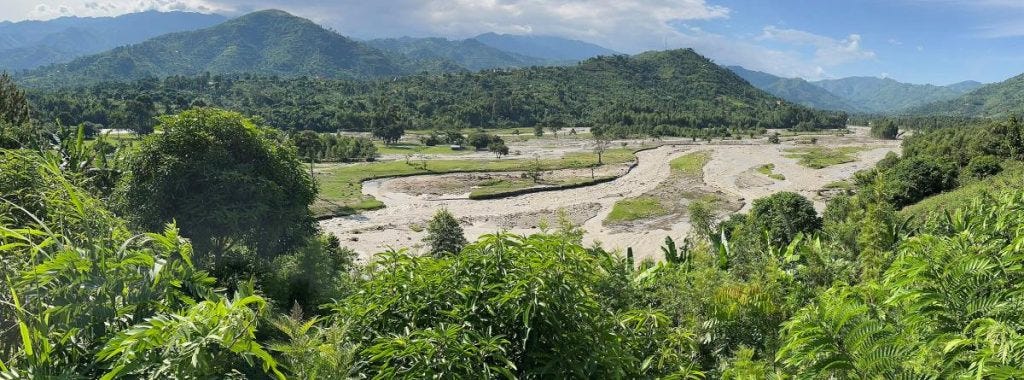
The Nyamugasani River flows through the flood plains in the foothills of Rwenzori Mountains National Park, one of the sites supported by the CAPA initiative. Image courtesy of Alec Crawford/IISD.
Protected areas such as national parks, nature reserves and Indigenous lands are the foundation of biodiversity conservation. However, climate change is threatening their effectiveness in safeguarding wildlife, ecosystem services and livelihoods.
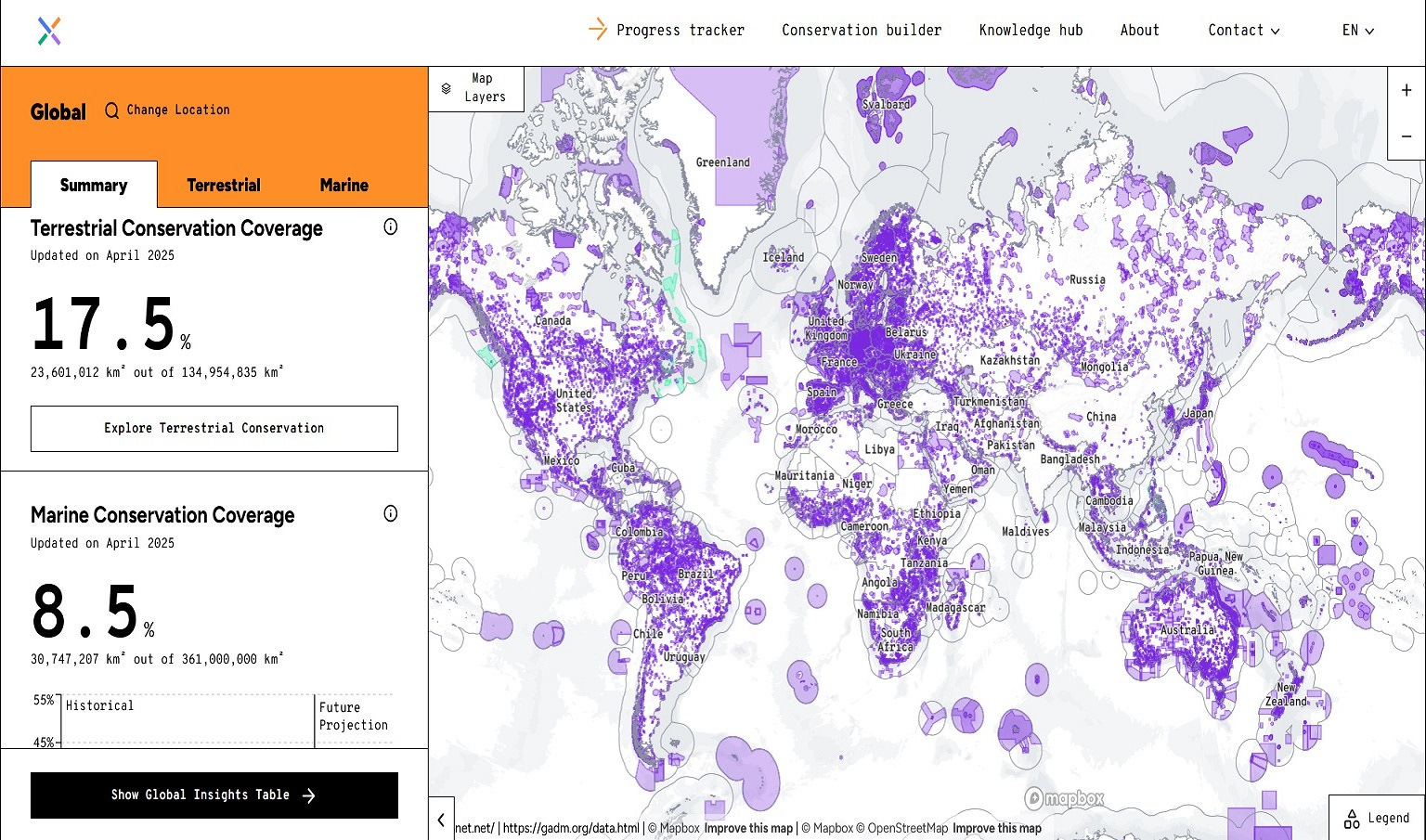
As many countries work to meet the global target of protecting 30% of the planet’s lands and waters by 2030 — known as the 30×30 goal, a cornerstone of the Kunming-Montreal Global Biodiversity Framework — scientists are calling for the incorporation of “climate-smart” approaches into the planning of new and existing protected areas.
Key Points:
Climate change is threatening the effectiveness of protected areas (PAs) in safeguarding wildlife, ecosystem services and livelihoods, with scientists now calling for the incorporation of “climate-smart” approaches into the planning of new and existing PAs.
Key approaches to developing a network of climate-smart PAs include protecting climate refugia, building connectivity, identifying species’ future habitats and areas that promote natural adaptation.
Experts emphasise that climate-smart conservation plans must address immediate local needs, engage diverse stakeholders through transboundary collaboration, and rapidly expand across freshwater and marine ecosystems.
Share this article:
Copy link
Share
“While we know that climate change is affecting biodiversity, for example through distribution range shifts, local extinctions, and community restructuring, designs of PAs [protected areas] don’t usually explicitly account for these effects,” says Kristine Buenafe, a doctoral researcher at the Centre for Biodiversity and Conservation Science at the University of Queensland, Australia, and lead author of a recent review published in Nature Reviews Biodiversity.
Buenafe’s paper indicates that conservationists risk protecting areas where species may no longer live in the future, if they don’t factor in climate change dynamics.
“We’ve reached a critical time to consider where to best place our new PAs and make sure that they are ‘climate-smart’ (resilient to climate change),” Buenafe said in an email interview.
This reasoning is echoed by Brittany Trew, a postdoctoral fellow at Harvard University and former scientist at the Royal Society for the Protection of Birds (RSPB).
“In the coming decade, I hope climate change will be integrated as a core principle in conservation planning,” Trew said via email.
Trew is the lead author of another study, published last year in Conservation Letters, that found that many areas of high conservation value in tropical forests are already experiencing unprecedented temperature conditions.
“Our research shows that almost two thirds of Key Biodiversity Areas (KBAs) in tropical forests are already experiencing new temperature regimes as a result of climate change, including those in globally important national parks, Indigenous reserves and large tracts of ecologically unfragmented areas,” Trew wrote. “When selecting new protected areas, we need to start considering the impact of ongoing climate changes on those sites in prioritisation assessments.”
Climate-smart conservation blueprint
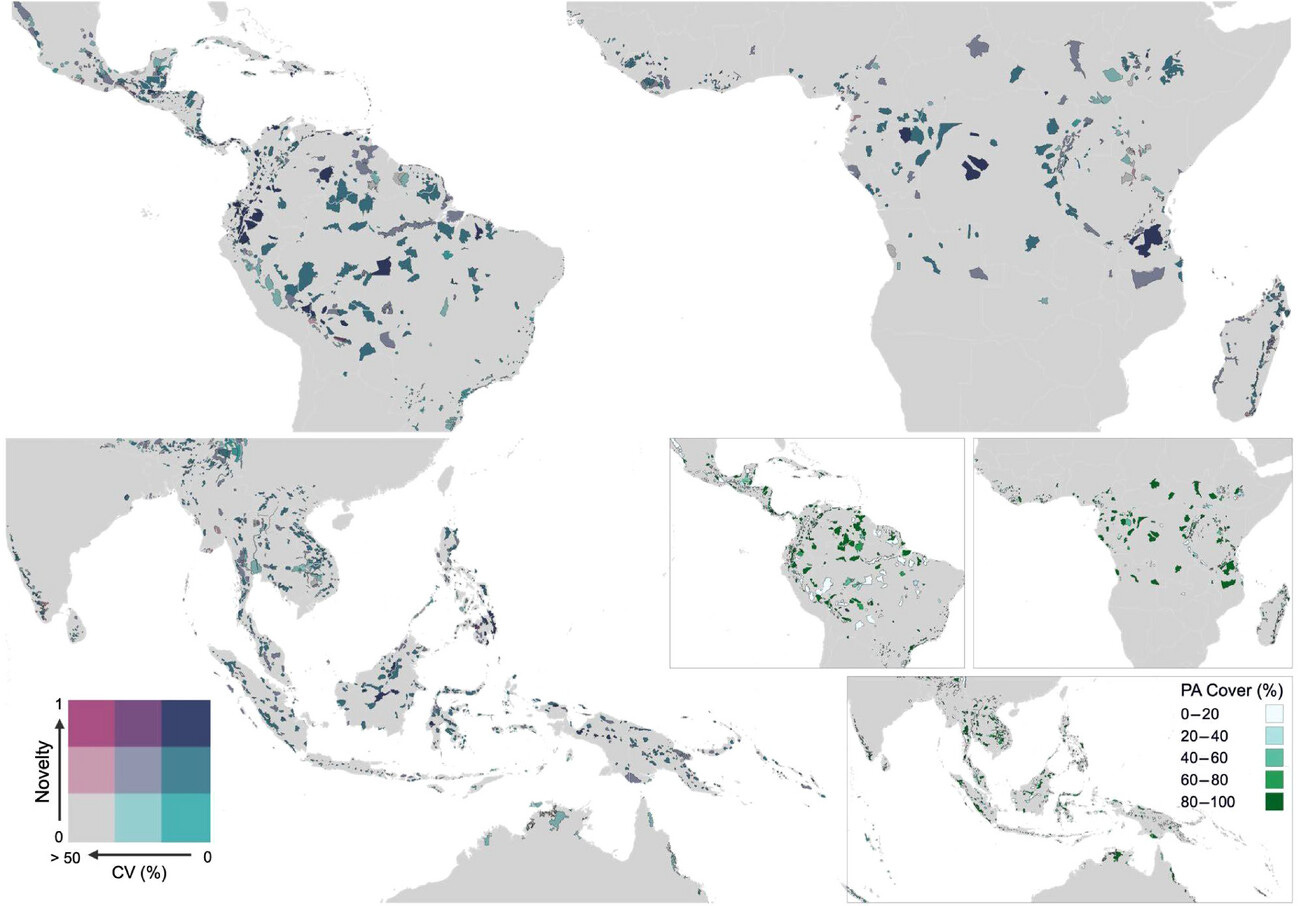
Trew’s study also identified a range of KBAs, many of them currently unprotected or only partially protected, that have been less affected by warming trends and serve as “climate refugia.” These refuges for biodiversity must be prioritized for protection, according to the study.
Climate refugia are unevenly distributed across the global tropics, Trew said. In Asia and Oceania, they’re concentrated in Papua New Guinea, coastal Indonesia and northern Australia. In Latin America, they’re located in the Peruvian Yungas, Mexican Yucatán, Guiana Shield and Brazil’s coastal Atlantic Forest. Africa has far fewer, mainly in the western Congo Basin, southwest Cameroon and the western Gulf of Guinea coast.
“Climate-smart conservation requires identifying and safeguarding those locations which are providing refuge from global temperature changes, whether that be via legal protection, carbon payments or empowering indigenous communities,” Trew wrote. “On the other hand, it also means improving landscape connectivity to enable species movement, prioritizing elevational gradients, and ensuring management strategies are responsive to shifting biodiversity patterns.”
Trew added this isn’t just about creating new protected areas, but also “adapting existing ones” to make them more resilient to climate impacts.
The research led by Buenafe corroborates that protecting climate refugia and areas that facilitate connectivity, as well as species’ future habitats and areas that promote natural adaptation, are all key approaches to developing a network of climate-smart protected areas. These approaches rely on science-based spatial models that project how species distributions will shift with rapidly rising temperatures. Models can also show where climate refugia are concentrated, where connectivity corridors should be expanded, and which areas may promote natural adaptation for certain species.
“When developing a climate-smart PA, conservation planners should leverage different combinations of these approaches, taking care that the chosen approach makes sense for the species and ecosystems that we want to conserve and protect,” Buenafe wrote. “A great starting point is protecting climate refugia in larger PAs and protecting smaller ‘stepping stone’ areas that could facilitate climate connectivity across the broader network.”
According to Buenafe’s research, climate-smart planning serves not only as an adaptation strategy but also holds potential for mitigating climate change, as conserved ecosystems contribute to the reduction of greenhouse gas emissions.
Turning science into action
Some organizations have started exploring practical ways to climate-proof protected areas. The Climate Adaptation and Protected Areas (CAPA) initiative, for example, led by the International Institute for Sustainable Development (IISD) in partnership with the Wildlife Conservation Society and WWF, was launched in 2023 to support the implementation of adaptation measures in and around protected areas across Africa, Fiji and Belize.
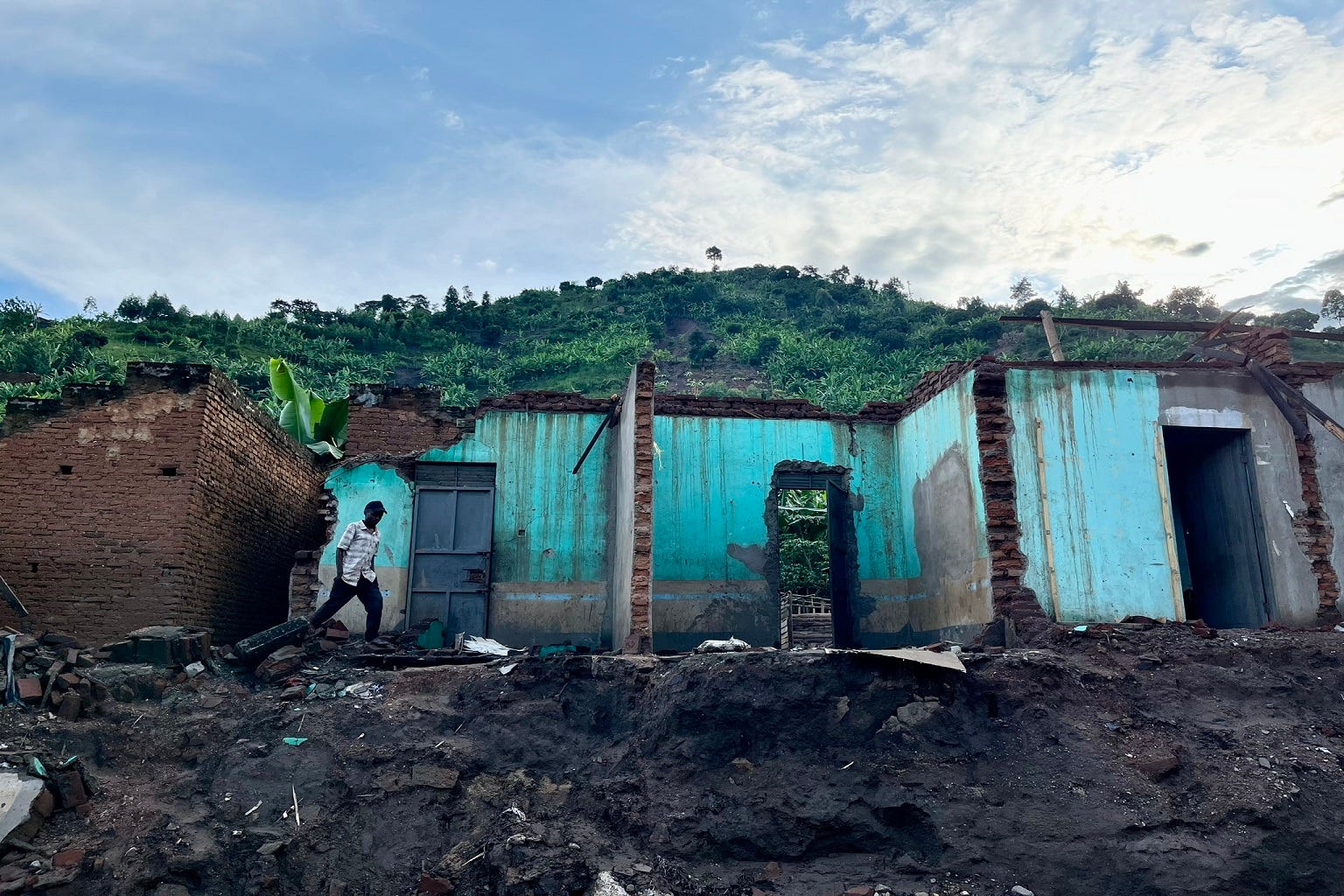
Susan Sekirime, senior policy adviser at IISD and the lead for CAPA Africa, said it’s evident that climate change — particularly in the form of droughts, flooding, rising temperatures, stronger and more frequent storms — is impacting the flora and fauna surrounding some protected areas and the local communities that rely on them.
“Guided by the findings of the comprehensive climate risk assessment we undertook in our target landscapes, we work with conservation partners, local communities, and local authorities to design and implement nature-based solutions,” Sekirime said via email. The program is currently working in the Greater Virunga and Kavango Zambezi Landscapes in Africa, as well as in Fiji and Belize.
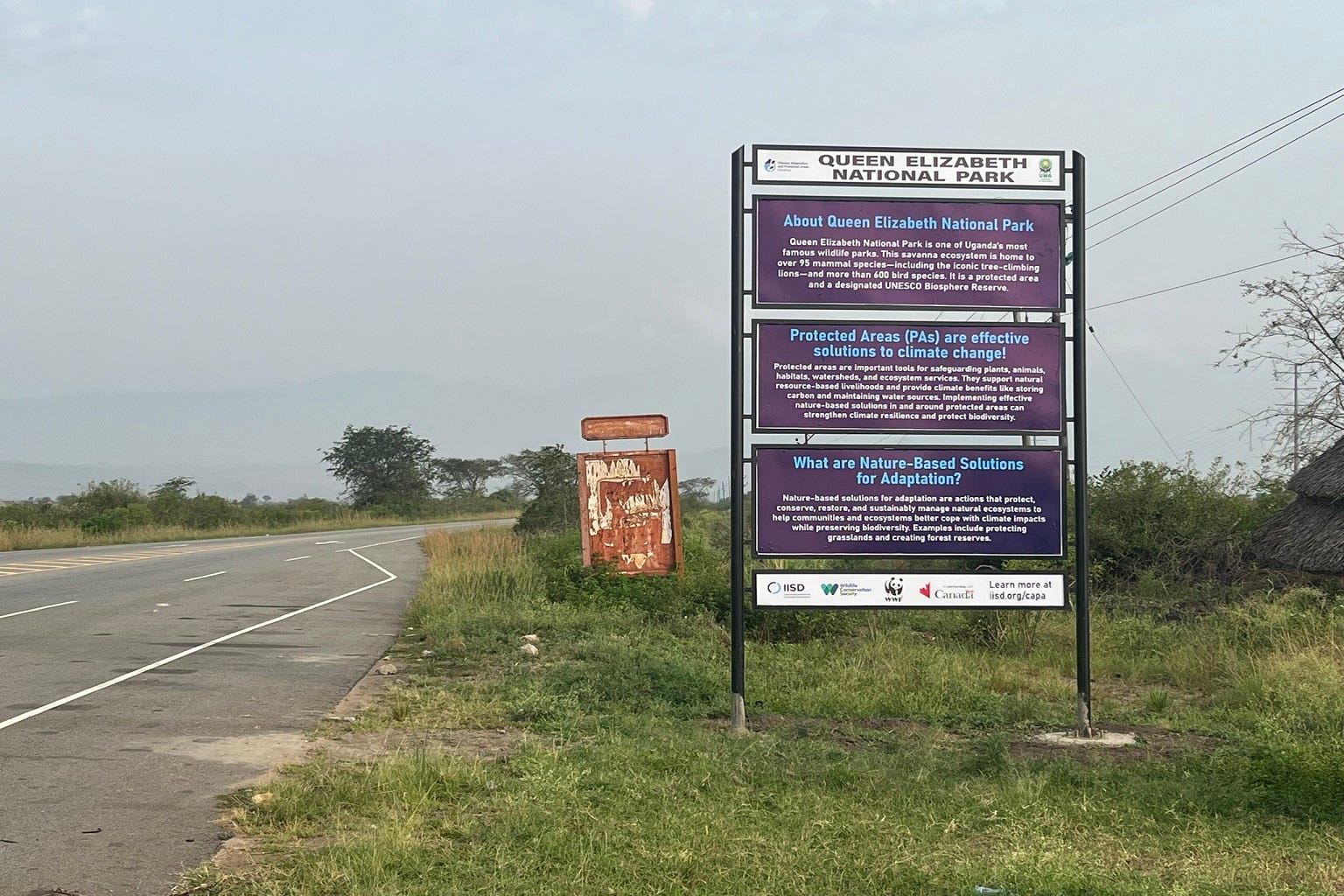
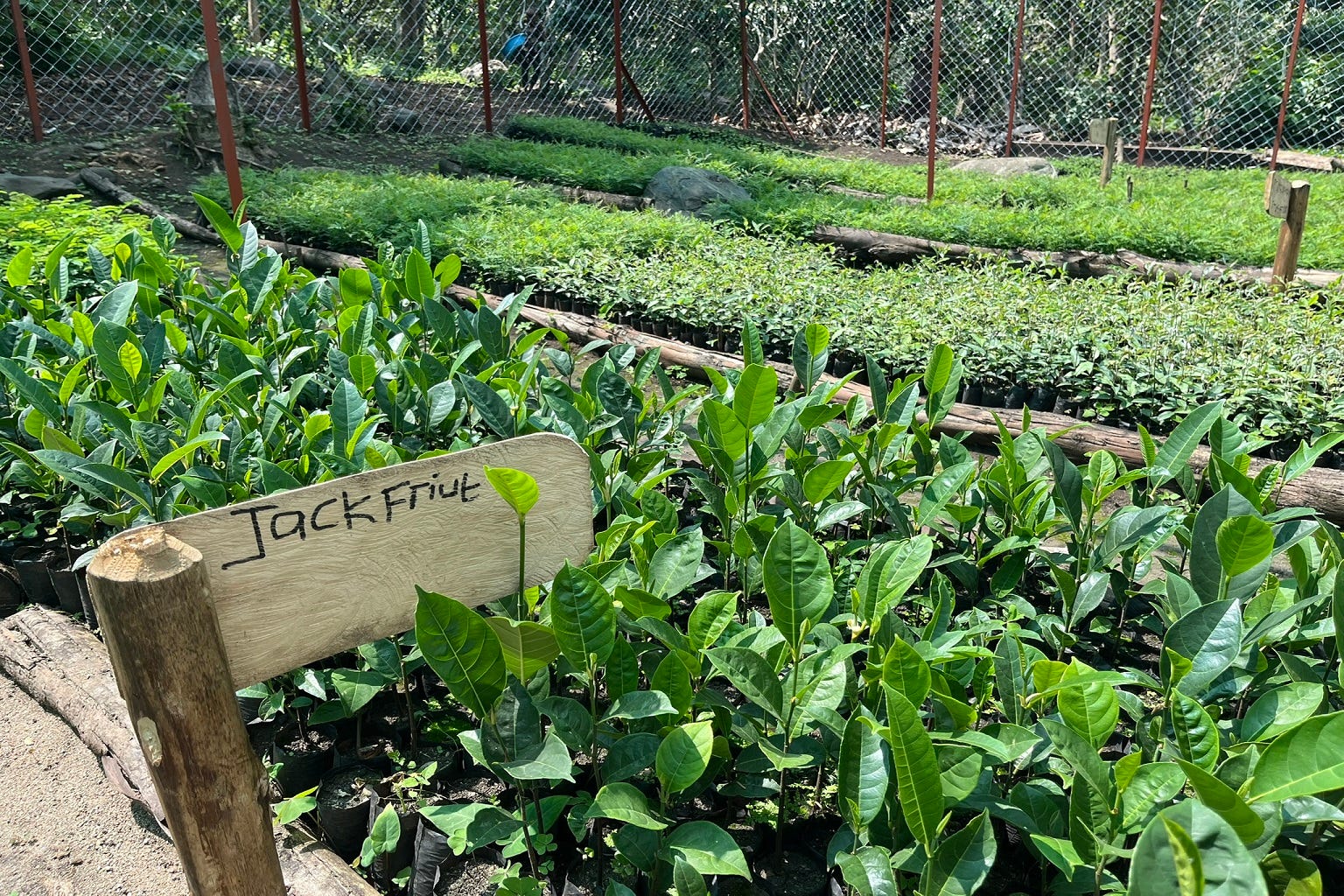
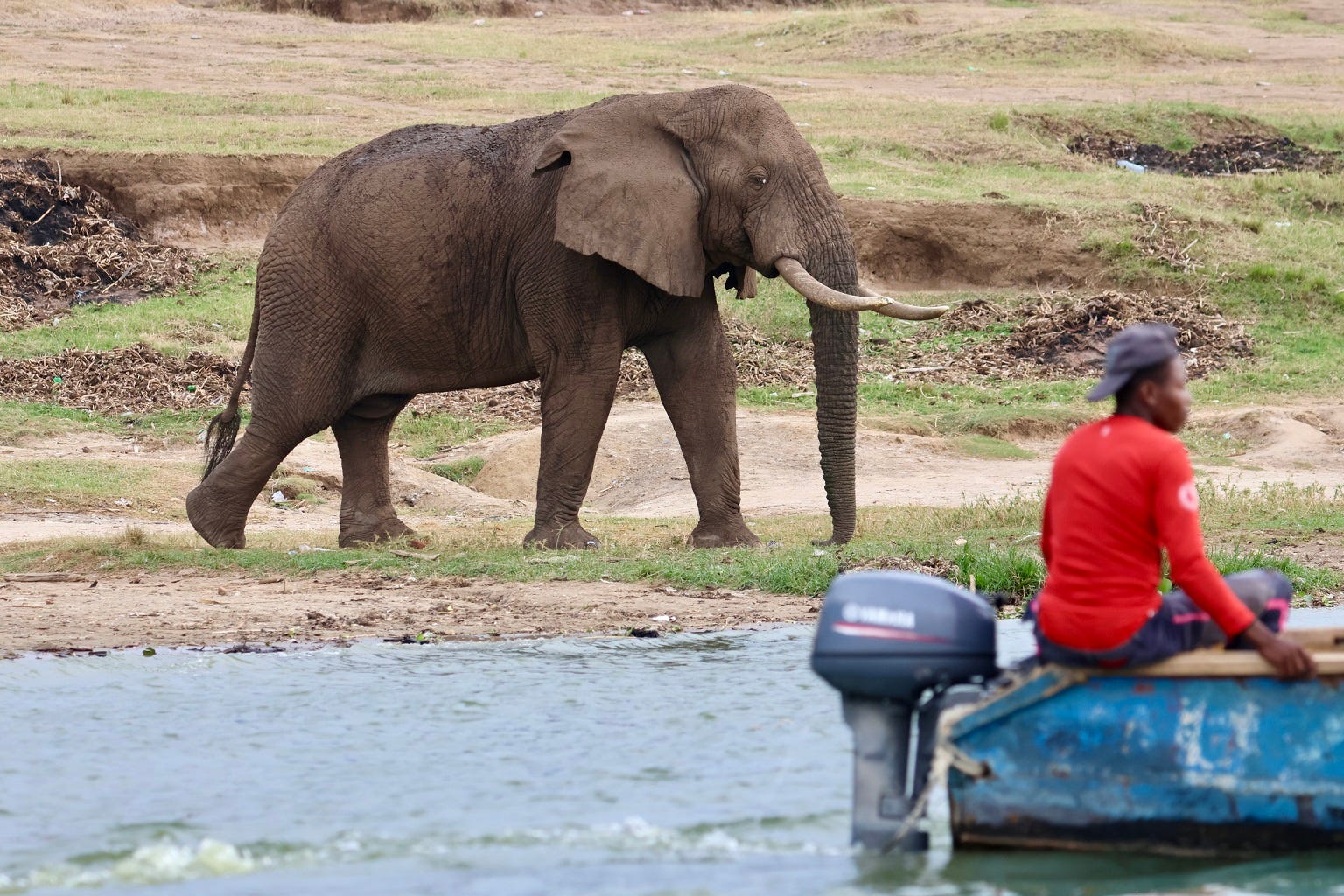
In Uganda’s Queen Elizabeth National Park, for example, collaborators cleared 200 hectares (about 500 acres) of invasive sicklebush to restore wildlife access to feeding grounds and water sources. In Rwenzori Mountains National Park, also in Uganda, the team has replanted and restored more than 400 hectares (nearly 1,000 acres) of burned forest to reduce flood risk. Other strategies implemented across Africa include desilting and stabilizing natural lagoons to improve rainwater retention, and reintroducing wildlife species to enhance genetic diversity and ecosystem health.
CAPA’s risk assessment also found that Indigenous peoples, local communities, women, and people with disabilities are among the most climate-vulnerable and underrepresented groups in climate discussions. To address this imbalance, the initiative promotes their active participation in local conservation efforts.
By 2026, CAPA is expected to conclude its activities. “We hope to see an enhanced integration of adaptation and climate considerations into protected area management, and an improvement in the agency of women and other underrepresented groups in the design and implementation of nature-based solutions,” Sekirime wrote.
Another example is the Protected Areas Resilient to Climate Change (PARCC) project in West Africa, led by the U.N. Environment Programme World Conservation Monitoring Centre (UNEP-WCMC). Although this five-year project concluded in 2016, it laid the groundwork by systematically assessing climate change impacts across the region and building the capacity of decision-makers to incorporate this knowledge into national policies and protected area management.
“Protected and conserved areas can contribute towards climate change adaptation and mitigation,” said Elise Belle, PARCC’s project lead and current project manager at WCMC Europe, an affiliated entity of UNEP-WCMC. “However, for this to work, it is essential that these areas are well connected, and that appropriate policies and effective management are put in place.”
Integrating these areas into national and international climate policies, such as the Paris Agreement, is a key step toward realizing their full potential in addressing the climate crisis, Belle added. According to a book chapter she co-authored in 2023, just over a third of countries have included protected areas in their emissions reduction and adaptation targets (known as their Nationally Determined Contributions) under the Paris Agreement.
Addressing shortcomings for stronger action
To achieve long-term success, adaptation plans must combine strategies that address the immediate needs of local communities and wildlife, especially in areas already facing severe water and food shortages, Sekirime said.
“Addressing the immediate needs [of local people and wildlife], for example through identifying strategic partnerships and creating synergies with organizations that deal with disaster relief, is crucial to the success of the longer-term nature-based solutions for adaptation strategies,” she wrote.
Buenafe said that “transboundary collaboration” and “transparent consultation” with stakeholders are vital to developing effective climate-smart conservation plans. Key stakeholders, she said, include Indigenous peoples and local communities, who are recognized as traditional knowledge holders, as well as representatives of industries that develop economic activities in target areas (e.g., tourism, fisheries, agriculture), scientists from a range of disciplines, and practitioners who are pivotal in putting conservation plans into action.
Their research also shows a critical shortcoming: most climate-smart approaches to date focus on terrestrial ecosystems, while freshwater and marine realms remain underrepresented. This bias also extends geographically, with fewer studies and less data from the Global South.
“We should do a better job at developing reproducible approaches that could be applied across different realms,” Buenafe wrote. “Developing climate-smart approaches that could be transferable to data-poor regions would also increase their uptake.”
Daniel Dunn, Buenafe’s co-author on the recent paper and director of the University of Queensland’s Centre for Biodiversity and Conservation Science, said there’s a critical need for rapid uptake of climate-smart approaches by conservationists.
“If we don’t incorporate climate considerations in the measures implemented to achieve the 30×30 target in the next five years, we are simply managing [PAs] by hope and praying that it will all still be there for our great-grandkids,” Dunn said.
Story by Marina Martinez
This article has been reproduced from news.mongabay.com under a Creative Commons licence. Read the original story here >
Share this article:
Share
More from around the region

bluemountainsplanetaryhealth Dec 6
@ bluemountainsplanetaryhealth . Dec 6
Open post by bluemountainsplanetaryhealth with ID 18087414430823459
We had a thoroughly enjoyable final Skill Share Saturday for the year yesterday with Qigong, Fashion Upcycling, Seed Saving and Bushcare!
We shared seeds from local gardens and harvested carrots, as well as Mizuna, Broad Bean, Daikon and Land Cress seeds from the Planetary Health garden. We then packaged up (and shared) our first Upper Mountains Seed Savers packs for our fledgling Seed Bank.
In Bushcare it`s very exciting to see whole new areas of the Planetary Health Precinct open up as we remove invasive weeds. It`s been a year of great progress as we`ve restored habitat for wildlife and given local native plants the opportunity to flourish and re-establish on the site.
#skillshare #skillsharesaturday #seedsaving #bushcare #planetaryhealth #community ...
17 0

bluemountainsplanetaryhealth Dec 3
@ bluemountainsplanetaryhealth . Dec 3
Open post by bluemountainsplanetaryhealth with ID 18089921119749361
Join the Planetary Health Centre this Sat 6 Dec for the last Skill Share Saturday of the year: Qigong at 9am, Seed Saving & Gardening Group at 10am, and Bushcare at 1.30pm. One perfect day with great company, great coffee and food, and great steps for living a healthy balanced life, while also contributing to the health of our planet for present and future generations. All ages welcome!
Registration links in profile and below.
Register for Qigong here: https://bit.ly/48wlHjD
Register for Seed Saving & Gardening here: https://bit.ly/4prcRe7
Register for Bushcare here: https://bit.ly/4oAFDrz
#qigong #bushcare #seedsaving #gardening #community #selfcare #planetarycare #healthcare #planetaryhealth #katoomba #bluemountains ...
10 0

bluemountainsplanetaryhealth Nov 27
@ bluemountainsplanetaryhealth . Nov 27
Open post by bluemountainsplanetaryhealth with ID 17933389716129642
We have a rare opportunity to learn about the newest and best possible ways to support family and community members struggling with mental health issues, at a free talk and afternoon tea provided by Upper Blue Mountains Sunrise Rotary at the Planetary Health Centre at 2pm this Saturday 29 Nov. Hear from Peter Joseph AM, Chair of the Black Dog Institute, and Professor Helen Christensen AO, Fellow of the Australian Academy of Science and former Executive Director and Chief Scientist at the Black Dog Institute. They`ll be in conversation with journalist Emma Rossi. Dr Christensen is a pioneer in using the internet to reach young people struggling with depression. Her digital mental health interventions are used by millions globally, delivering evidence-based therapy for depression, anxiety, and suicide prevention. Her research uses data from smartphones and wearables – like movement, screen use, and sleep – to detect early signs of mental health issues. Bookings essential here (link in profile): https://bit.ly/4oOnYxz
#mentalhealth #suicideprevention #blackdoginsstitute #planetaryhealth #katoomba #bluemountains
@lifelineaustralia @blackdoginst ...
8 1

bluemountainsplanetaryhealth Nov 26
@ bluemountainsplanetaryhealth . Nov 26
Open post by bluemountainsplanetaryhealth with ID 18040613594701839
This Saturday Sherlie McMillan from Rotarians 4 Planetary Health will be running a workshop on How to use a sewing machine from 9am at the Planetary Health Centre in Katoomba. Learn how to set up a machine, service it, troubleshoot when it`s not sewing correctly, and learn some basic sewing skills.
Bookings essential here (link in profile):
https://events.humanitix.com/how-to-use-your-sewing-machine
NB. This class is a prerequisite for our very popular Fashion Upcycling classes held once a month.
#howtosew #fashionupcycling #repair #reuse #towardszerowaste #planetaryhealth #katoomba #bluemountains ...
17 0

bluemountainsplanetaryhealth Nov 25
@ bluemountainsplanetaryhealth . Nov 25
Open post by bluemountainsplanetaryhealth with ID 17858701182492411
We`re thrilled to announce that Professor Helen Christensen, a pioneer in using the internet to reach young people struggling with depression, will be joining the conversation with Peter Joseph AM from the Black Dog Institute and journalist Emma Rossi at the Planetary Health Centre at 2pm this Saturday 29 November. Helen was the Executive Director and Chief Scientist for the Black Dog Institute for 10 years and has now been elected a Fellow of the Australian Academy of Science. Her digital mental health interventions are used by millions globally, delivering evidence-based therapy for depression, anxiety, and suicide prevention. Her research uses data from smartphones and wearables – like movement, screen use, and sleep – to detect early signs of mental health issues.
This free event is being co-hosted by Upper Blue Mountains Sunrise Rotary and the Blue Mountains Planetary Health Initiative. Afternoon tea will be provided. Bookings essential here (link in profile): https://bit.ly/4oOnYxz
@rotary_club_lower_blue_mtns @rotaryclubofnepean #mentalhealth #rotary #planetaryhealth @black_dog_institute ...
8 2

bluemountainsplanetaryhealth Nov 24
@ bluemountainsplanetaryhealth . Nov 24
Open post by bluemountainsplanetaryhealth with ID 18078394361144632
Human composting is increasingly being legalised around the world. Read about it in Katoomba Area Local News here (link in profile): https://www.katoombalocalnews.com/legalising-human-composting/
If you’d like to see this option available in NSW you can now sign a live petition to the NSW Parliament here (link in profile): https://bit.ly/43QIHbz
#humancomposting #greenburials #katoomba #bluemountains #planetaryhealth ...
17 0

bluemountainsplanetaryhealth Nov 22
@ bluemountainsplanetaryhealth . Nov 22
Open post by bluemountainsplanetaryhealth with ID 18064732544157559
Thanks to everyone who contributed to deliver a fantastic Disaster Risk Awareness Expo and Family Day yesterday. @mark_greenhill_mayor opened the event at which we celebrated the 13th birthday of Betty the Asbestos Education House; @firecoat_au demonstrated and launched its range of fire retardant products that can help protect homes, gardens and even electricity poles; the Bushfire Retrofit Toolkit was launched; Santa arrived and delighted young and old; and @plantinspired99 and Action for Animals fed us all with a delicious plant-based sausage sizzle. The day was filled with talks, workshops, stalls and the sharing of a huge amount of expertise to keep us, and the other species we share our planet with, safe and healthy! @southkatoomba.rfb @nswses @fireandrescuensw @nswrfs @redcrossleura @redcrossau @shelter.building.design @firehalo.au @asbestosawareness @amelie_ecology @bbagsbluemtns @wireswildliferescue @handsheartfeet
#disasterriskawareness #disasterriskreduction #familyday #planetaryhealth #katoomba ...
22 2

bluemountainsplanetaryhealth Nov 20
@ bluemountainsplanetaryhealth . Nov 20
Open post by bluemountainsplanetaryhealth with ID 17931271275134070
Our marquee is up and we`re excited about our Expo and Family Day tomorrow (Sat 22 Nov). There`s something for everyone from a free sausage sizzle, plants from Santa and drumming and pollinator workshops, to sessions on keeping you and our community safe from extreme weather events and hazardous substances like mould and asbestos. Learn how intumescent paints can slow the spread of fire and pick up a sample pot; check out all our emergency service organisations; learn how to dispose of hazardous materials; paint a native orchid, make some seed balls or sew a boomerang bag to give as plastic-free Christmas presents this year; enjoy coffee and locally made sweets; and get tips on how to retrofit your home safely and beautifully to be prepared for future extreme weather events. View the full program and register here (link in profile): https://bit.ly/4nFrY1J
#disasterriskawareness @asbestosawareness @SES @southkatoomba.rfb @wireswildliferescue @redcrossleura @shelter.building.design @amelie_ecology @handsheartfeet @bbagsbluemtns @firecoat_au ...
12 0

bluemountainsplanetaryhealth Nov 19
@ bluemountainsplanetaryhealth . Nov 19
Open post by bluemountainsplanetaryhealth with ID 17899449090181264
There are so many new and innovative ways of doing things, like the new cooking techniques being explored by Michael from Good Fat Pastry, and the new fire protection methods being launched at the Planetary Health Centre`s Expo and Family Day on Sat 22 Nov. Check out Michael’s recent presentation at the Food Security Fair in our video here: https://bit.ly/4pnXbIg (link in profile) and come along to taste his delicious carrot cake and pastries at the Expo on Saturday. Check out the program and register to attend here (link in profile): https://bit.ly/4nFrY1J
#plantbased #vegan #glutenfree #innovation #planetaryhealth ...
30 0

bluemountainsplanetaryhealth Nov 19
@ bluemountainsplanetaryhealth . Nov 19
Open post by bluemountainsplanetaryhealth with ID 18141125962452869
In 2006 Peter Joseph’s son Michael suicided after a 14-year episodic battle with mental illness. Peter is now the Chair of the Black Dog Institute which is working to achieve better outcomes for all those struggling with mental health issues. Journalist Emma Rossi will engage Peter in an intimate and moving conversation about a life of purpose and mental health advocacy. As a Rotary scholar Peter will also reflect on how Rotary helped shape his values and sense of purpose as a young man - and how those early lessons continue to guide his work today. This free event is being hosted by the Upper Blue Mountains Sunrise Rotary Club and the Blue Mountains Planetary Health Initiative on Saturday 29 November from 2-4pm at the Planetary Health Centre at 33-39 Acacia St Katoomba. Afternoon tea will be provided. Bookings essential here (link in profile): https://bit.ly/4oOnYxz
@black_dog_institute #mentalhealth #suicide #purpose #advocacy #peterjoseph #emmarossi #conversation #planetaryhealth #katoomba
@rotaryaustralia @rotary_club_lower_blue_mtns @rotary9675 @rotarykatoomba ...
9 2

bluemountainsplanetaryhealth Nov 18
@ bluemountainsplanetaryhealth . Nov 18
Open post by bluemountainsplanetaryhealth with ID 17870682795464443
Learn about intumescent fire retardant paint and a range of other strategies to prepare for extreme weather events, and to manage hazardous materials, at the upcoming Expo and Family Day at the Planetary Health Centre on Sat 22 Nov. You can register to attend here (link in profile): https://bit.ly/4nFrY1J
We checked out how intumescent paint works in this video.
When temperatures reach a certain point the intumescent paint begins to swell and expand, often up to 50 times its original thickness. It forms a thick, carbonaceous "char" that acts as an insulating barrier. This layer slows the rate at which heat reaches the structural elements and buys valuable time for people to safely exit a building during a fire. It makes the structure safer for firefighters and rescue teams.
#intumescentpaint #fireretardant #bushfire @firecoat_au ...
7 0

bluemountainsplanetaryhealth Nov 17
@ bluemountainsplanetaryhealth . Nov 17
Open post by bluemountainsplanetaryhealth with ID 18079709189154464
Mould, lead paint, asbestos, silica dust from engineered stone bench tops and a wide range of chemicals, are amongst some of the many hazardous substances entering our environment and negatively impacting our health. Asbestos is found in over 3000 products including textured paints, moulded garden pots, brake pads and clutch linings in older cars, floor and ceiling tiles, lino, fibro, roofing, pipes and gutters, hot water systems, backing for switchboards and insulation boards in air-conditioning ducts, insulation, sealants, fillers, caulking and adhesives, gaskets for industrial and lab equipment and more. We’ll have information to take away and Blue Mountains City Council and the Asbestos and Hazardous Materials Consultants Association (AHCA) will be running free workshops on how to identify and manage these hazardous substances at the Planetary Health Centre`s Disaster Risk Awareness Expo in Katoomba on Sat 22 Nov. Find out more and register to attend here (link in profile): https://bit.ly/4nFrY1J
#asbestos #mould #silicadust #chemicals #hazardousmaterials #beaware #besafe #planetaryhealth #katoomba #expo #bluemountains ...
9 0
Load More Follow on Instagram
The post Scientists say protected areas need ‘climate-smart’ planning to survive climate change appeared first on Planetary Health News.


